Mold
Mold Remediation and Assessment
A moisture test comes first, then a straight answer about whether remediation is actually needed. Plenty of what people find turns out not to need a full job.
Chapter 01
Do not disturb it first
Scrubbing or scraping at suspected mold releases more spores into the air, which spreads the problem into rooms that did not have it. Leave it alone and call.
If the area is larger than about three feet across, contact us straight away. Smaller than that, book a mold assessment as soon as you reasonably can.
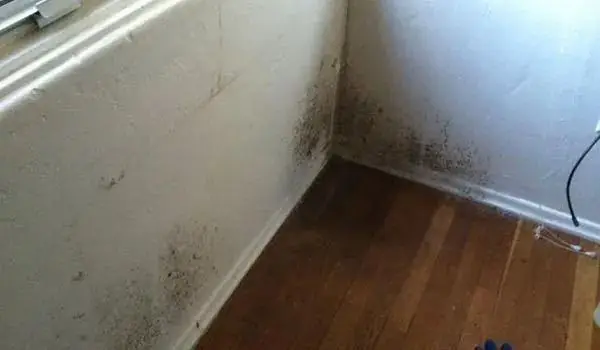
Mold damage along a wall and baseboard before remediation
Assessment before remediation
Our technicians run a moisture test and work out whether remediation services are genuinely necessary. Mold needs water to live, so finding the moisture source is not a side task, it is the whole diagnosis.
Without that, remediation is cosmetic. Clean it off a wall that is still wet behind and it comes back.
Chapter 03
Painting over it does not work
Paint does not stop growth. The mold carries on developing underneath the new layer and the problem continues out of sight until it comes through again.
Professional removal is what actually eliminates it and the health effects that come with it.
Keeping it from coming back
Address leaks, flooding, condensation and high humidity immediately. In practice that means fixing the plumbing failure, drying properly rather than superficially, and ventilating the rooms that hold moisture.
Check where water collects first. Mold can develop in wall cavities and attic spaces where nothing is visible until the smell arrives.
Mike does flood and mold remediation work. He found our leak and did as little damage to remediate our house while drying and eliminating mold. Matt S.